


Buying a car—especially a used one—can be a big decision. With new car prices rising, more people consider dealer cars an affordable option. It is important to note that when purchasing a used vehicle, you are not just looking for a reasonable price; you must also assess whether you will be inheriting someone else’s problems.
This article lists 10 things to check before committing to a used car from a dealership, creating the ultimate used car checklist. The vehicle condition and the car history report, among other steps, will assist you with making an educated purchasing decision. This advice applies whether you are a first-time buyer or an experienced shopper.
Before viewing the physical car, could you ask for a car history report? Most reputable dealers will share that with you ahead of time, often via Carfax or AutoCheck.
Red Flags: Branded/salvaged titles, frequent owners, inconsistent odometer readings.
Once you are in front of the car, could you do a walk-around to check its condition from the outside? This is an essential part of any used vehicle inspection.
Tip: If you notice inconsistent gaps between body panels, it may indicate previous damage or loose repair.
Please inspect the cabin. A clean, well-maintained interior says much about how the car was treated.
Bonus Tip: Test the seat adjustments—both manual and powered. These repairs can be expensive.
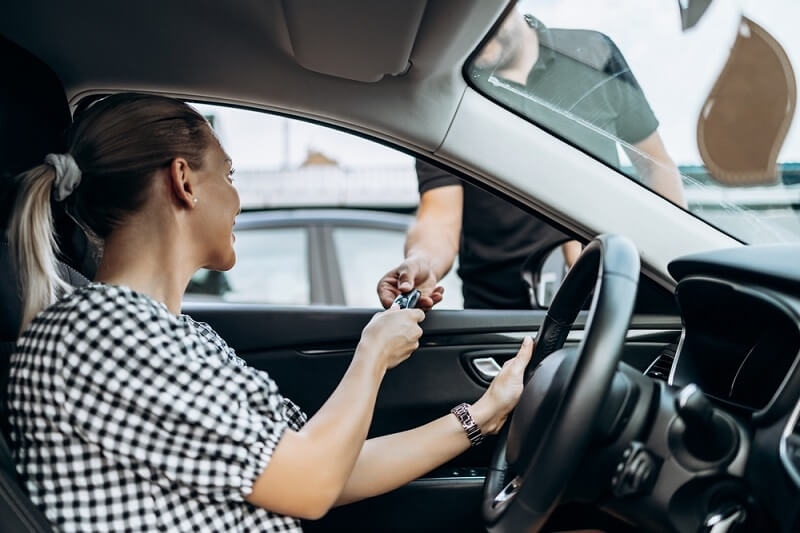
Please don't forget to skip this step. A test drive provides the best insight into the car's real-world condition.
Pro Tip: Drive on city roads and highways for a complete feel.
A glance under the hood can reveal much, even if you're not a mechanic. If you're unsure, bring a friend or technician.
Note: Ask questions or walk away if anything smells like burnt oil or rubber.
One commonly overlooked part of a used car checklist is inspecting the undercarriage. If you need to, you can use a flashlight.
Tip: If you see fresh undercoating, ask why—it could be hiding rust.
Mileage affects resale value and future maintenance costs. Compare the odometer reading to the car history report.
Tip: Average mileage is about 12,000–15,000 miles per year. Use that to estimate normal wear.
Many dealer cars are labeled as "Certified Pre-Owned" (CPO), but not all certifications are equal. Please understand what you're getting.
Warning: Non-CPO cars might be cheaper, but you’re assuming more risk. Ask to see the inspection report.
Ensure the dealership provides a clean title and that the car's Vehicle Identification Number (VIN) matches the paperwork.
Pro Tip: Run the VIN through a database or request it in advance to cross-check with the car history report.
Before you sign anything, know what kind of protection you have after the sale.
Note: Some dealerships offer “as-is” sales without returns or repairs. Proceed with caution.
Even when buying from a dealership, getting an independent used vehicle inspection is smart. Many local mechanics offer pre-purchase inspections for a small fee.
Here’s a handy reference you can save or print:
| Item | Why It Matters |
| Vehicle history report | Reveals past damage, ownership, and mileage |
| Exterior condition | Indicates care, wear, and potential damage |
| Interior features | Comfort and usability of the vehicle |
| Test drive | Reveals engine, brake, and transmission issues |
| Under-hood inspection | Checks engine health and fluid levels |
| Undercarriage/leaks | Detects rust and mechanical problems |
| Verified mileage | Confirms value and wear |
| CPO status | May include warranty and inspection perks |
| Title and VIN check | Confirms legal ownership and clean history |
| Warranty/return policy review | Protects you after purchase |
Sometimes, a deal is too good to be true. Walk away if:
Be proactive and ask:
Remember: A good dealership won’t mind answering these questions.
Entering the dealership world of used cars can be intimidating, but with the right used car checklist, you'll feel fully armed with the information needed to make an informed decision. Like any used vehicle, every car has a history - your job is to read the fine print.
This guide can help you check the vehicle's condition, look at the car history report, check the details, and ask relevant questions. Whether you are buying your first or fifth vehicle, these 10 checks will ensure you buy a used car that is reliable, reasonably priced, and will last for many miles.
This content was created by AI